
• Home
  • Sample Page
  • Administrative Law
  • Bankruptcy Law
  • Business & Commercial Law
  • Civil Rights & Liberties
  • Constitutional Law
  • Criminal Law
  • Employment & Labor Law
  • Family Law
  • Health Law
  • Immigration Law
  • International Law
  • Military Law
  • Property Law
  • Tax Law
  • Tort Law
Lexology
keep your memories alive
Uncategorized

Russia’s Air Attacks Intensify, Threatening Ukraine’s Defense

by admin July 22, 2025
written by admin
Russia's Air Attacks Intensify, Threatening Ukraine's Defense

Representative image for illustration purposes only

Russia's Air Attacks Intensify, Threatening Ukraine's Defense

On a recent Sunday night, civilians across Ukraine were once again forced to seek refuge in shelters as air raid sirens blared, signaling another significant Russian aerial assault.

By Monday morning, the extent of the attack became clear: Moscow had launched a massive wave of 426 Shahed-type explosive drones and 24 missiles, targeting civilian and urban areas and causing widespread destruction across multiple regions. In Kyiv, the capital city, Russian drones struck a metro station, a residential building, and even a kindergarten.

“Kyiv Mayor Vitali Klitschko reported that a 12-year-old child was among the injured, describing the barrage as one of the worst the capital had faced in months.”

The intense attack prompted a swift response from Washington, signaling to Ukraine, its European allies, and, perhaps most importantly, to Russian President Vladimir Putin, that the ongoing bombardments of civilians in Kyiv and other Ukrainian cities had garnered the attention of the Trump administration.

Defense Secretary Pete Hegseth participated in a virtual meeting of approximately 50 countries supporting Ukraine on Monday afternoon, a notable shift considering his absence from the previous meeting of the Ukraine Defense Contact Group in June, when President Trump was actively pursuing a peace deal with Mr. Putin.

President Trump has reportedly expressed growing frustration with the Russian leader, whose continued escalation of assaults on Ukraine appears to defy the U.S. president’s attempts at de-escalation.

In response, President Trump recently threatened to impose significant “secondary” tariffs on Moscow and issued a 50-day ultimatum to Mr. Putin to reach a ceasefire agreement with Ukraine.

Despite the ongoing conflict, peace talks between Ukraine and Russia are scheduled to take place in Istanbul on Wednesday, according to Ukrainian President Volodymyr Zelenskyy. However, the Kremlin has indicated that the two countries remain “diametrically opposed” on the terms for ending the war. Previous negotiation attempts have only resulted in a prisoner swap.

The recent attack on Kyiv, which lasted for an extensive 10 hours and resulted in two fatalities, is part of a larger and increasingly intense Russian bombing campaign that has expanded both in scope and lethality in recent weeks. Ukrainian air defense systems, already facing ammunition shortages and overwhelmed by the sheer number of incoming threats, are struggling to effectively contain the onslaught.

“Russia’s attacks are always against humanity,” President Zelenskyy stated on Telegram on Monday, highlighting the targeting of civilian infrastructure such as a kindergarten, residential buildings, and other structures in Kyiv.”

The timing of the attack has raised concerns about Moscow’s true intentions, particularly as Ukrainian and foreign officials were scheduled to meet in Kyiv. French Foreign Minister Jean-Noel Barrot, who witnessed the devastation caused by the airstrikes, called for increased international pressure on Russia.

“Russia after witnessing the destruction caused by the airstrikes.”

“The massive package of sanctions we adopted at the European level last Thursday is welcome,” Mr. Barrot stated. “It increases pressure on Vladimir Putin, increases the cost of this unbelievable war.”

Military analysts have identified a concerning shift in Russia’s strategic approach. In recent months, the Kremlin has transitioned from sporadic missile attacks to large-scale, drone-swarm bombardments, facilitated by a significant increase in domestic drone production.

Mykola Bielieskov, a military analyst and research fellow at Ukraine’s National Institute for Strategic Studies, described this change as marking a “new and more dangerous phase” in the war.

Towards the end of last year, Russia was launching approximately 2,000 drones per month. This number has since more than doubled, exceeding 4,000, according to Mr. Bielieskov. He noted that it is now common for Russia to launch hundreds of drones in a single night. Many of these drones, now manufactured domestically, have been upgraded with artificial intelligence navigation systems, video targeting capabilities, and thermobaric warheads, effectively doubling their explosive payload to around 200 pounds.

Furthermore, Russia’s move towards full domestic production has been supported by technology transfers from Iran and, according to Ukrainian officials, has benefited from technical support from China and labor assistance from North Korea.

Beijing is allegedly supplying critical components, while Pyongyang is reportedly preparing to send workers to drone manufacturing facilities in eastern Russia.

Consequently, Russia’s drone penetration rate into Ukrainian airspace has nearly tripled. Reports indicate that approximately 15% of the drones successfully breached Ukraine’s defenses and reached their intended targets between April and June, compared to only 5% in the first quarter of the year. These coordinated attacks often combine drones with ballistic and cruise missiles, creating a saturation tactic designed to overwhelm Ukrainian air defenses.

Despite recent announcements of additional military aid, Ukraine’s partners have been slow to respond effectively. While President Trump has pledged to provide Patriot air defense systems, the financial burden of these systems is expected to fall on European and NATO allies, rather than the United States.

“Though 17 Patriot systems seems to be the number floated around, there is little to actually back that up at the time,” one expert noted. “Germany will pay for two systems and Norway for one, but who will pay for the other 14 remains an open question.”

Ukrainian Defense Minister Denys Shmyhal urged allies at the virtual meeting on Monday to expedite the delivery of American air defense systems.

“I request the U.S. to make these weapons available for purchase, and our European partners to extend all the needed financing for their procurement,” Mr. Shmyhal stated.

While Patriot systems are crucial for intercepting missiles, they are not effective against Shahed drones. Ukraine urgently needs interceptor drones, as drone attacks now involve hundreds of drones per attack, coupled with AI technology, new flight patterns, and increased explosives. The production and delivery of interceptor drones and systems on a large scale is essential.

Ukrainian air defenses currently rely on a mix of Soviet-era guns, short-range systems, and expensive Western-supplied missiles, forming a layered approach that is becoming increasingly unsustainable.

Cheap and mobile interceptor drones are considered the most cost-effective solution. While some are being developed by Ukraine’s defense tech sector, the large-scale deployment of such systems remains several months away.

“There is no time to waste,” Mr. Bielieskov emphasized. “Kyiv’s partners can contribute by supplying interceptor drones and financing the manufacture of domestic models.”

Ukraine has responded to the intensified drone warfare by increasing the frequency of its long-range strikes targeting Russian airfields. Ukrainian drones recently attacked facilities near Moscow, leading to temporary airport closures and disruptions to civilian air traffic.

On Monday, Russia’s Defense Ministry claimed to have shot down 117 Ukrainian drones, including 30 near the Russian capital.

However, these strikes, while symbolically significant, are unlikely to deter Moscow’s escalating campaign. Russia has relocated much of its drone infrastructure away from the front lines, making pre-launch destruction nearly impossible. Furthermore, drones do not require fixed airfields, complicating retaliatory actions.

As Russia’s bombing campaign becomes more sophisticated and deadly, the outcome of the war increasingly depends on the ability of Ukraine and its Western partners to adapt quickly to the evolving threat.

Read Full Story

July 22, 2025 0 comments
0 FacebookTwitterPinterestEmail
Uncategorized

U.S. Tests New Missile System in Australian Exercise

by admin July 21, 2025
written by admin
U.S. Tests New Missile System in Australian Exercise

Representative image for illustration purposes only

U.S. Tests New Missile System in Australian Exercise

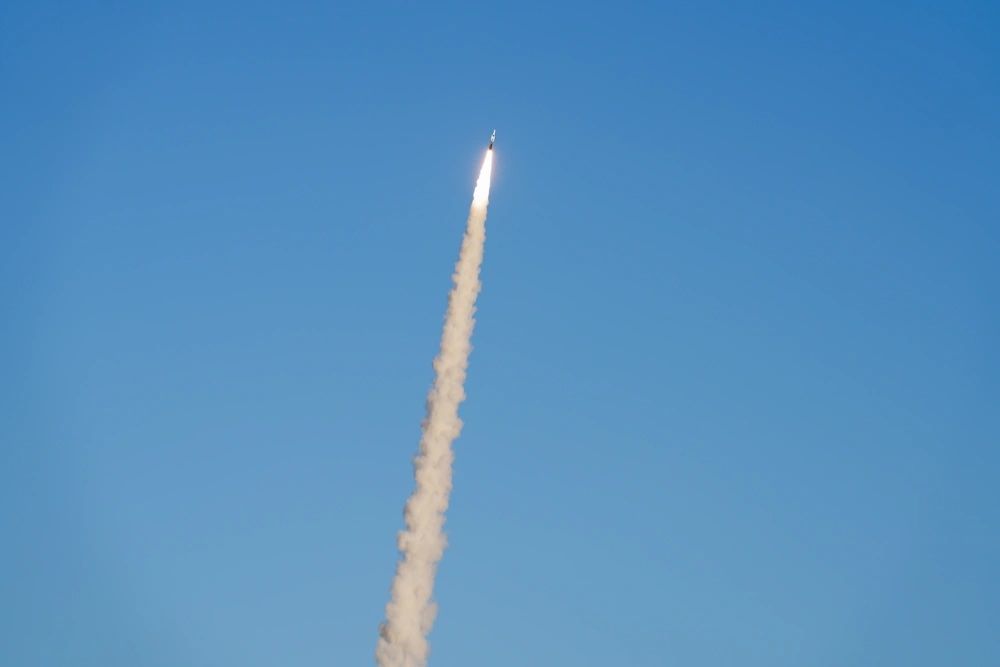
During large-scale military drills in northern Australia, the U.S. Army successfully conducted its inaugural live-firing of a new Mid-Range Capability (MRC) missile system in the Pacific. The test took place during Talisman Sabre 25, a joint U.S. and Australian exercise.

An SM-6 missile, launched from the new system, struck and sank a maritime target, as confirmed by the Army. This successful execution marks a significant advancement in the U.S. military’s ability to deploy, integrate, and command advanced land-based maritime strike capabilities, according to Col. Wade Germann, commander of the Army’s 3rd Multi-Domain Task Force.

The exercise served to validate targeting and command and control cooperation with the Australian military. Col. Germann emphasized that this achievement sets the stage for developing and deploying combat-credible, multidomain capabilities forward, supporting the combined and joint force.

This missile firing follows earlier Chinese naval live-fire drills near Australia in February, which drew criticism from Canberra due to a lack of prior notification. These Chinese drills led to flight diversions. Additionally, Chinese warships had previously circumnavigated Australia around the same period.

The new MRC system, sometimes referred to as Typhon, is capable of launching both precision-guided SM-6 missiles and long-range Tomahawk cruise missiles. The SM-6 has an approximate range of 300 miles, while the Tomahawk can reach targets up to 1,200 miles away.

Its initial overseas deployment to Luzon in the Philippines earlier in 2024 triggered opposition from China, given the missiles’ potential to engage Chinese ships in the South China Sea and military installations on Chinese territory.

Military experts view this new weapon as a crucial element of an updated U.S. strategy aimed at strengthening long-range attack capabilities to effectively counter China’s extensive buildup of intermediate-range and long-range missiles in the Pacific. The U.S. military previously focused primarily on defending against Chinese missiles.

The MRC test firing coincides with Australia’s October announcement of a $7 billion investment to acquire SM-6 multimission missiles, along with SM-2 anti-ship missiles. Australia has also committed to purchasing 200 Tomahawk missiles, and Japan intends to acquire 400 Tomahawks.

Both the SM-6 and Tomahawk missiles are compatible with the new MRC system.

The Navy’s Standard Missile-6, initially developed by defense contractor Raytheon as an anti-missile interceptor, has since been adapted for multiple roles, including engaging aircraft, drones, and cruise missiles, as well as serving as a surface-to-surface and anti-ship missile.

The Army also asserts that the MRC possesses some capability to intercept Chinese hypersonic maneuvering missiles.

The Army has hailed the recent missile launch as a significant milestone for land-based maritime strike and strategic strike capabilities within the U.S. military, as part of the service’s long-range precision fires program.

The Army stated, “This was the first time that a land-based MRC has been fired west of the international date line, marking a significant milestone in the development and employment of the U.S. military’s land-based maritime strike capabilities.”

The containerized missile launcher used for the MRC is based on the Navy’s MK 41 launcher, which is typically found on warships.

The Army provided no further details regarding the target ship or the precise location of the SM-6 launch, other than to confirm that it took place in northern Australia.

It appears that the missile system was transported to Australia via cargo aircraft for the purpose of these exercises.

In the past, China threatened unspecified retaliatory actions if the MRC was not removed from the Philippines. Consequently, the missile system was relocated from northern Luzon to an alternative location within the Philippines.

In a related development, the aircraft carrier USS George Washington and the British carrier HMS Prince of Wales conducted joint operations during Talisman Sabre, occurring shortly after the missile test. This marked the first instance of the two nations’ carriers operating together in the annual exercise. Both carriers are equipped with the new F-35 stealth fighters.

Recently, U.S. Marines and Australian soldiers engaged in exercises focused on seizing remote airfields as part of Talisman Sabre, preparing for potential future operations in the region. Prior to that, the Marines and Australians executed an airborne raid to secure a town, utilizing V-22 Osprey transports.

Marine Corps Capt. Kendall Weigand, a KC-130J pilot with Marine Aerial Refueler Transport Squadron 153, noted that flying deep into the outback presented a unique experience for many Marines. “It’s wide open, wild terrain that’s unique to Australia,” he commented. “We dropped into a canyon and saw a herd of wild horses. We were hoping for kangaroos.” The exercises are scheduled to continue.

Read Full Story

July 21, 2025 0 comments
0 FacebookTwitterPinterestEmail
Uncategorized

Deadly fire erupts on Indonesian ferry.

by admin July 21, 2025
written by admin
Deadly fire erupts on Indonesian ferry.

Representative image for illustration purposes only

Deadly fire erupts on Indonesian ferry.

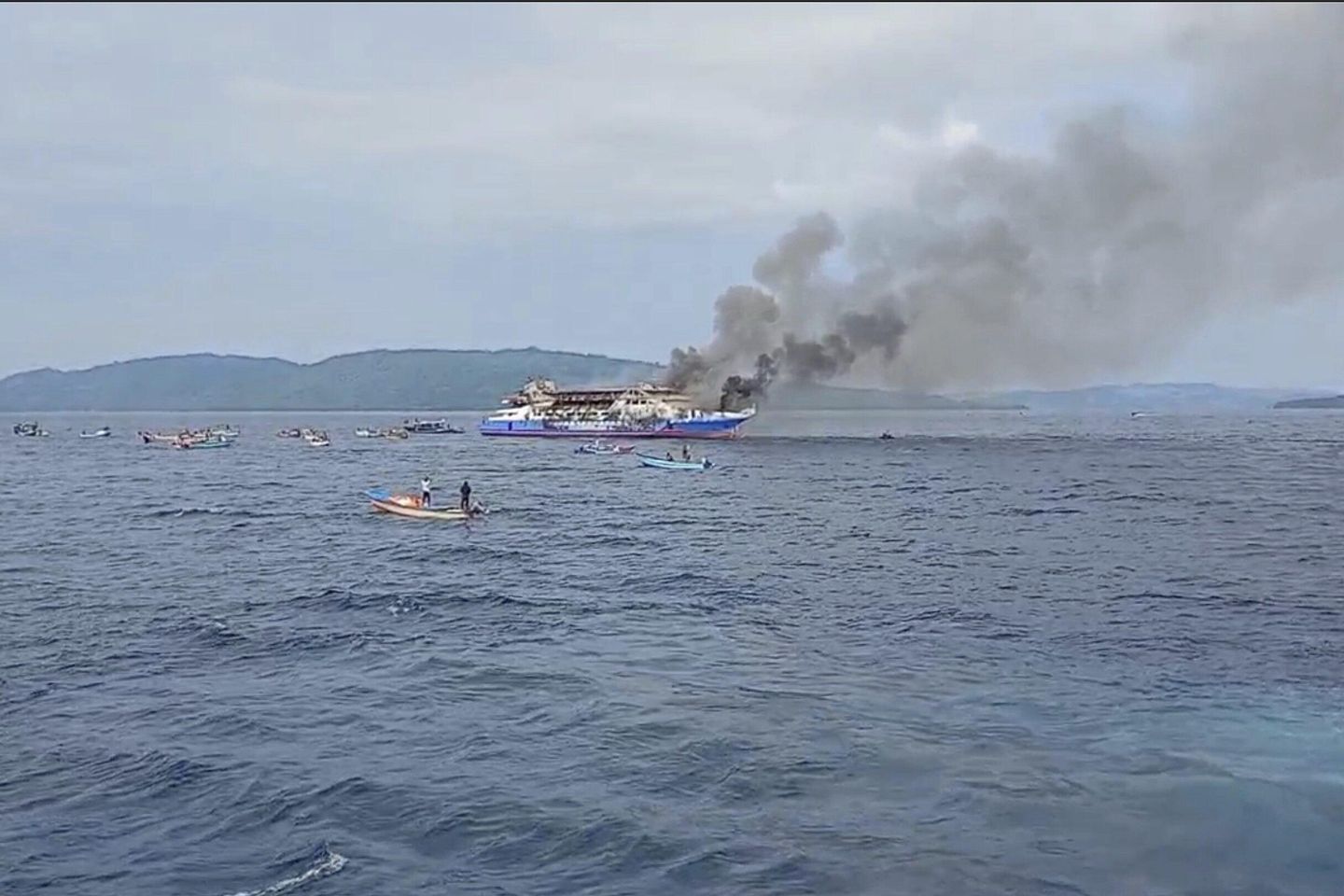
A passenger ferry, the KM Barcelona 5, carrying hundreds of individuals, caught fire off the coast of Sulawesi island in Indonesia. Tragically, at least five lives were lost, including that of a pregnant woman. Rescue efforts were immediately launched, with over 280 people successfully evacuated from the vessel. The ferry was en route to Manado, the capital of North Sulawesi province, from Talaud, an island district within the same province, when the incident occurred near Talise.

Vice Adm. Denih Hendrata, commander of the Indonesian Fleet Command, reported the deployment of three navy ships to aid in the rescue operation. Local fishermen also played a crucial role, rescuing survivors who were adrift in the choppy waters, many wearing life jackets. While there were no immediate reports of injuries beyond the fatalities, precise figures regarding the total number of passengers and crew members onboard remain unconfirmed as evacuation efforts continue.

The National Search and Rescue Agency released visuals depicting the harrowing scene, with passengers, primarily clad in life jackets, jumping into the sea amidst orange flames and thick black smoke engulfing the ferry. The cause of the fire is currently under investigation.

Indonesia, an archipelago comprising over 17,000 islands, relies heavily on ferries for transportation. Unfortunately, maritime disasters are not uncommon, often attributed to lax safety enforcement. This incident follows recent events, including the rescue of stranded individuals near Mentawai Islands after a speedboat capsized in a storm and a ferry sinking near Bali earlier this month, resulting in at least 19 deaths and several missing persons. The Bali search operation involved extensive resources, including over 1,000 rescuers, naval vessels, boats, a helicopter, and divers.

Read Full Story

July 21, 2025 0 comments
0 FacebookTwitterPinterestEmail
Uncategorized

Democrat Says Trump Enabled Syria’s New Government

by admin July 21, 2025
written by admin
Democrat Says Trump Enabled Syria's New Government

Representative image for illustration purposes only

Democrat Says Trump Enabled Syria's New Government

The departure of Bashar Assad from power in Syria presents a genuine opportunity to establish a legitimate state that prioritizes the well-being of its citizens. Under the previous regime, the nation operated more like a criminal enterprise.

The current leader, Ahmed al-Sharaa, appears to be sincerely committed to building a functional and effective government. However, achieving this goal requires careful and strategic support, striking a delicate balance to foster stability.

Previous actions, such as loosening financial restrictions on the new government in Damascus, have been crucial in aiding its efforts to restore order throughout the country. Continuing to support the government in achieving its aims and controlling violence is essential for progress.

International cooperation, particularly with Israel, is needed to pave the way for a more stable Syria. While this cooperation is valuable, it may not be the sole determinant of long-term regional peace.

Despite al-Sharaa’s declaration of an “immediate ceasefire,” sectarian conflicts persist in southern Syria, highlighting the ongoing challenges in maintaining peace between groups like Bedouin gunmen and Druze fighters.

The situation remains complex due to the presence of numerous factions. However, the current circumstances offer more hope than during Assad’s rule, which provided no prospect for a positive future.

Israel’s support for the Druze, a religious minority in Syria with connections to Israel, has been evident. However, concerns have arisen regarding actions like airstrikes near the presidential palace, which could potentially destabilize the al-Sharra government and lead to chaos.

Recently, Bedouin clan leaders in Syria announced the withdrawal of their forces from the Druze-majority city of Swedia following a U.S.-brokered ceasefire agreement. Tragically, the conflict had resulted in a significant loss of life.

The importance of pausing violence, protecting civilians, and ensuring humanitarian access to contain escalating hostilities is paramount. A complete exchange of hostages and detainees is seen as a crucial step towards lasting de-escalation and inclusion.

Al-Sharaa has reaffirmed his dedication to safeguarding the welfare of all Syria’s people, regardless of their religious or ethnic background, condemning all crimes committed in Sweida.

Despite the ceasefire and the withdrawal of Bedouin forces, Sweida continues to face a severe humanitarian crisis, with critical shortages of drinking water, food, medical supplies, and electricity.

The Al-Sweida National Hospital is overwhelmed, with its morgue at full capacity and essential services severely hampered by power cuts, lack of water and medicine, and food shortages. Corpses remain unburied due to the dire circumstances.

Even with the positive change in leadership, navigating the complex dynamics of Syria and uniting its various factions to establish a government worthy of support will be “extraordinarily difficult.” The task ahead presents a significant challenge.

Read Full Story

July 21, 2025 0 comments
0 FacebookTwitterPinterestEmail
Uncategorized

Turkish President Firm on Two-State Cyprus Solution

by admin July 21, 2025
written by admin
Turkish President Firm on Two-State Cyprus Solution

Representative image for illustration purposes only

Turkish President Firm on Two-State Cyprus Solution

Turkish Cypriots marked the 51st anniversary of Turkey’s military intervention in Cyprus, an event that resulted in the island’s division. The celebrations coincided with renewed support from the Turkish President for a contentious peace agreement that proposes two distinct states.

This two-state solution is largely opposed by Greek Cypriots residing in the internationally recognized southern region of the island. They view it as solidifying the division of Cyprus and granting Turkey a permanent presence, which they fear is a move to control the entire island and its offshore resources.

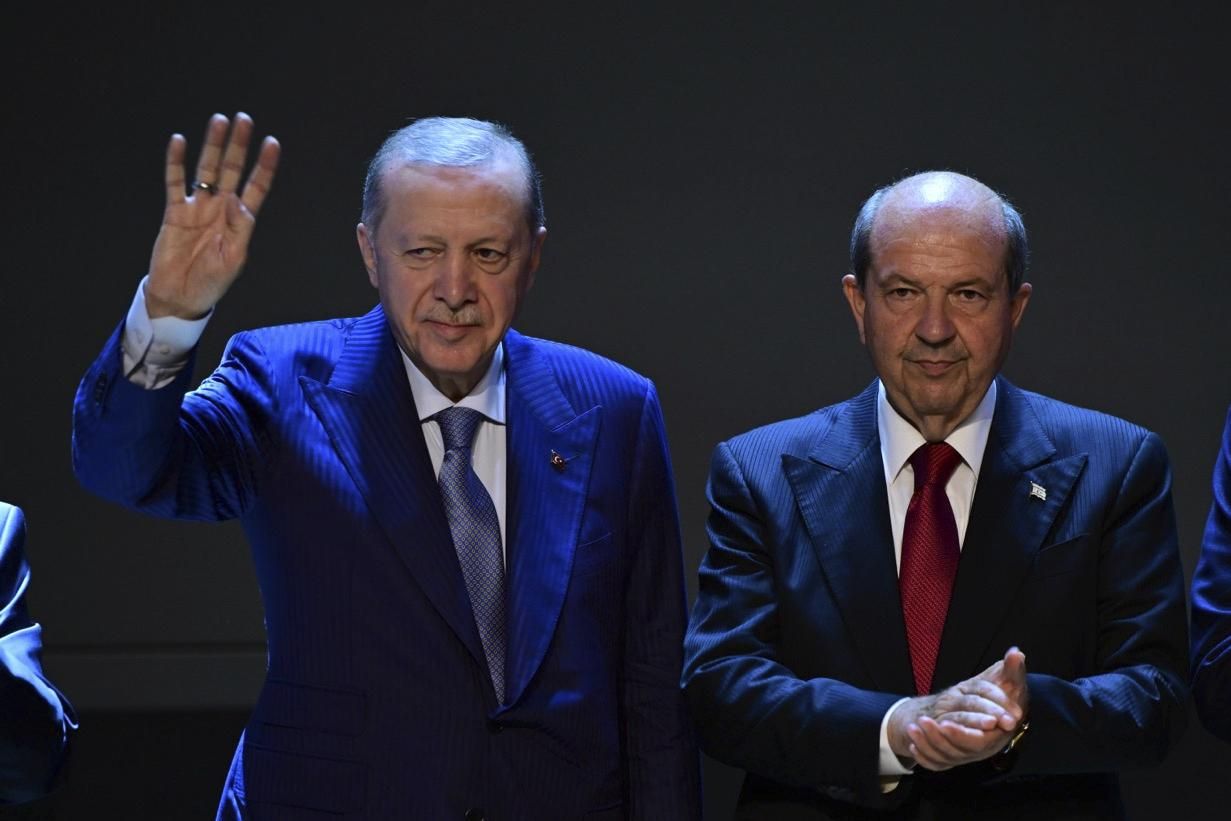
During the celebrations, which included a military parade, the Turkish President stated, “Our support for (Turkish Cypriot leader Ersin Tatar’s) vision for a two-state solution is absolute.” He also called upon the international community to acknowledge “the facts on the ground” and establish both diplomatic and economic ties with the Turkish Cypriot state, which declared independence in 1983 in the northern third of Cyprus.

Turkey’s military action was prompted by a coup orchestrated by supporters of uniting Cyprus with Greece. To date, Turkey remains the only nation recognizing the Turkish Cypriot declaration of independence and maintains a troop presence of 35,000 in the northern region.

The Turkish President’s renewed endorsement of the two-state solution occurred shortly after a meeting at U.N. headquarters in New York. This meeting included the Greek Cypriot President Nikos Christodoulides, the foreign ministers of Greece and Turkey, and Britain’s minister of state for Europe, all engaging with U.N. Secretary-General Antonio Guterres with the aim of revitalizing peace negotiations after an eight-year standstill.

While the meeting did not achieve a full resumption of negotiations due to the Turkish Cypriot leader’s insistence on recognition of the breakaway state, some progress was made regarding confidence-building measures. These included the exchange of cultural artifacts and the establishment of an advisory committee on civil society.

The U.N. Secretary-General plans to meet with both leaders again in September and organize another broader meeting after the Turkish Cypriot leadership election in October, where the current leader is campaigning on the two-state platform.

Turkey and Turkish Cypriot representatives maintain that a two-state agreement is the only viable path forward. They argue that decades of U.N.-mediated talks aimed at reunifying Cyprus as a federation have proven fruitless.

This shift in stance followed the collapse of peace talks in 2017. Greek Cypriots attributed this failure to demands from Turkish and Turkish Cypriot representatives for a continued Turkish military presence and intervention rights for Turkey, as well as objections to blanket veto powers for Turkish Cypriots on government decisions.

In the southern region, Greek Cypriots commemorated the invasion with memorials for the war dead. The Greek Cypriot President stated that the international community does not support a two-state solution and that Turkey’s continued “occupation of European territory” hinders its aspirations for closer ties with the European Union and its desired role in the region.

Read Full Story

July 21, 2025 0 comments
0 FacebookTwitterPinterestEmail
Uncategorized

Vietnam Tourist Boat Capsizing Kills 18, Dozens Missing

by admin July 20, 2025
written by admin
Vietnam Tourist Boat Capsizing Kills 18, Dozens Missing

Representative image for illustration purposes only

Vietnam Tourist Boat Capsizing Kills 18, Dozens Missing

A sightseeing tour in Ha Long Bay, Vietnam, turned tragic when the Wonder Sea boat capsized during a sudden thunderstorm. The incident resulted in 18 confirmed fatalities, with nearly two dozen individuals still missing. The vessel, carrying 48 passengers and five crew members, was overwhelmed by strong winds, leading to the disaster.

Rescue efforts successfully saved 12 people, including a 14-year-old boy who was trapped inside the overturned hull for four hours before being rescued. The majority of passengers were tourists from Hanoi, the country’s capital, including approximately 20 children. The recovered bodies were found near the site of the capsizing. Twenty-three people remain unaccounted for.

Adding to the region’s concerns, a tropical storm, named Wipha, is approaching. Weather forecasts indicate that Storm Wipha is expected to impact Vietnam’s northern region, including the coastal area of Ha Long Bay, in the coming week. This impending storm could potentially complicate ongoing search and rescue operations.

Read Full Story

July 20, 2025 0 comments
0 FacebookTwitterPinterestEmail
Uncategorized

Russia Launches Massive Drone Attack on Ukraine, Kills One in Odesa

by admin July 20, 2025
written by admin
Russia Launches Massive Drone Attack on Ukraine, Kills One in Odesa

Representative image for illustration purposes only

Russia Launches Massive Drone Attack on Ukraine, Kills One in Odesa

Overnight into Saturday, Russia launched a substantial attack on Ukraine, deploying hundreds of drones and cruise missiles. This intensified bombing campaign has diminished hopes for a swift resolution to the ongoing conflict.

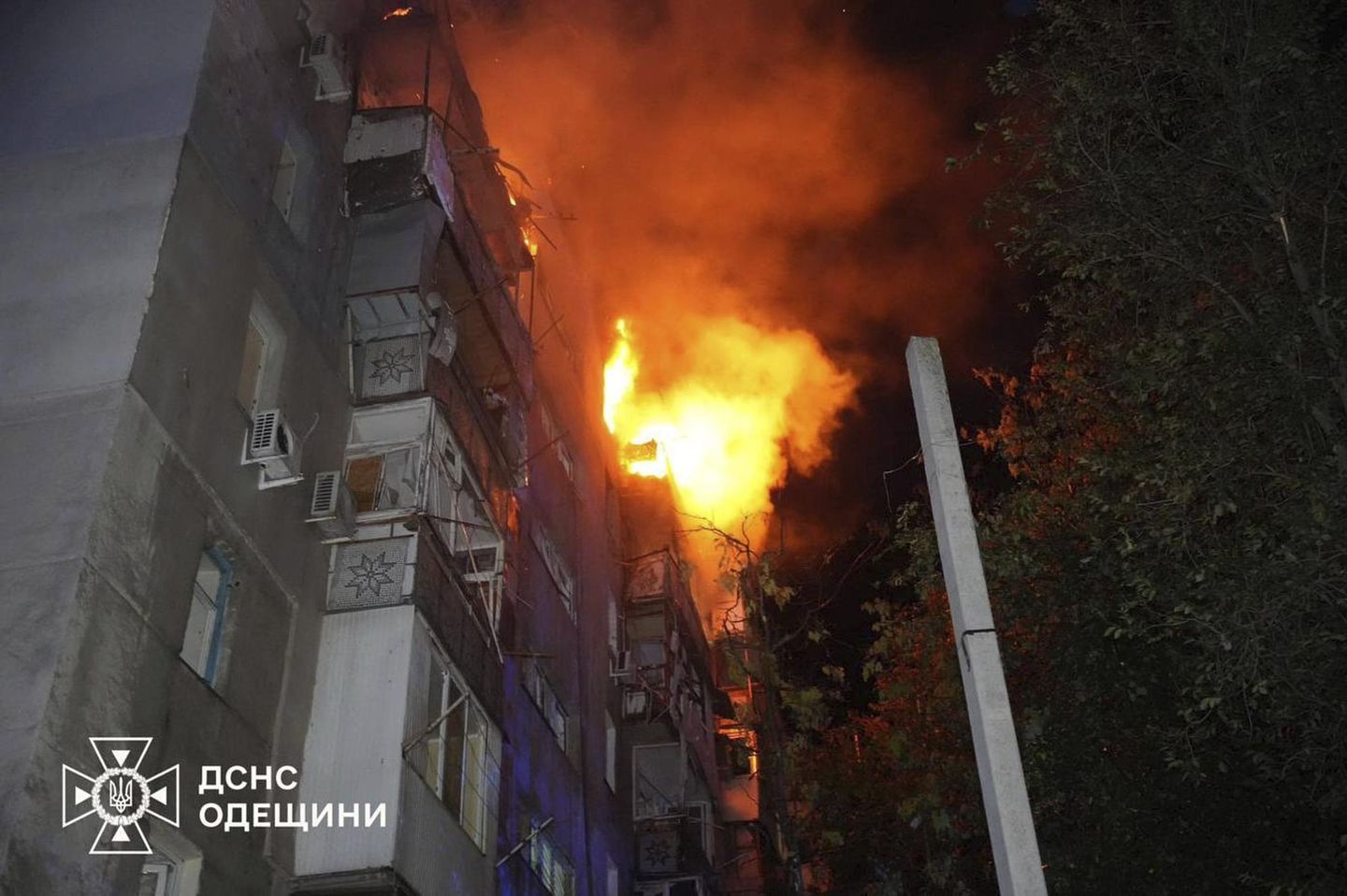
President Zelenskyy reported that Russia launched over 300 drones and more than 30 cruise missiles. In Odesa, one person was killed, and five were rescued from a residential building fire caused by the strikes. The city endured over 20 drone and missile strikes.

The attacks also resulted in injuries, including a child in Odesa, and damage to critical infrastructure in the Sumy region. Zelenskyy expressed gratitude to international leaders for their support in strengthening Ukraine’s defense capabilities through joint weapons production, drone manufacturing, and the supply of air defense systems.

Russia has been increasing its long-range attacks on Ukrainian cities, now deploying more drones in a single night than in some entire months earlier this year. Analysts anticipate further escalation of these barrages. Earlier this month, Russia launched a record number of over 700 drones.

Russia’s Defense Ministry claimed to have shot down 71 Ukrainian drones, while Moscow’s mayor reported 13 drones intercepted near the Russian capital.

Separately, Ukraine’s foreign minister accused Russia of deporting Ukrainian citizens, many of whom are former prisoners, into Georgia and leaving them without proper identification. These individuals are reportedly stranded in the transit zone, lacking necessary documentation. Russia has not yet responded to these allegations.

Read Full Story

July 20, 2025 0 comments
0 FacebookTwitterPinterestEmail
Uncategorized

Trump administration limits Mexican flights, jeopardizes Delta alliance over trade.

by admin July 20, 2025
written by admin
Trump administration limits Mexican flights, jeopardizes Delta alliance over trade.

Representative image for illustration purposes only

Trump administration limits Mexican flights, jeopardizes Delta alliance over trade.

New restrictions have been imposed on flights originating from Mexico, coupled with a threat to dismantle the longstanding partnership between Delta Air Lines and Aeromexico. This action stems from limitations imposed by the Mexican government on passenger and cargo flights into Mexico City several years prior.

The core issue revolves around the forced relocation of airlines from Benito Juarez International Airport to the newer Felipe Angeles International Airport, situated over 30 miles away. This mandate is viewed as a violation of the trade agreement between the two countries, potentially granting domestic airlines an unfair advantage. Given that Mexico is a premier destination for American travelers, with over 40 million passengers flying there annually, the implications are significant.

According to officials, the previous administration deliberately allowed Mexico to breach the bilateral aviation agreement. These actions serve as a clear message to any nation contemplating taking advantage of the U.S., its carriers, and its market. The principle of fairness is paramount.

As a result of these concerns, all Mexican passenger, cargo, and charter airlines are now mandated to submit their flight schedules to the Transportation Department and seek governmental approval for their flights. This requirement will remain in effect until the U.S. government is satisfied with the treatment of U.S. airlines by Mexico.

The broader implications of these actions on the trade relationship with Mexico and ongoing tariff negotiations remain uncertain. While a spokesperson for Mexico’s President did not immediately respond to requests for comment, the potential for escalation is present.

Notably, Delta and Aeromexico have been actively contesting the Transportation Department’s efforts to terminate their partnership, which commenced in 2016, since the beginning of the previous year. They argue that penalizing them for the Mexican government’s actions is unjust, asserting that terminating their agreement would jeopardize approximately two dozen routes and result in an estimated $800 million in annual consumer losses.

The proposed termination of approval for the strategic partnership between Delta and Aeromexico would inflict substantial harm on consumers traveling between the U.S. and Mexico, as well as negatively impacting U.S. jobs and transborder competition, according to Delta.

Aeromexico has indicated its intention to review the order and collaborate with Delta to formulate a joint response in the near future.

While the order terminating approval of the agreement between the airlines is currently slated to take effect in October, both airlines are expected to continue their efforts to challenge the decision.

Read Full Story

July 20, 2025 0 comments
0 FacebookTwitterPinterestEmail
Uncategorized

Congo, Rwanda-backed rebels agree on principles to end eastern Congo conflict.

by admin July 19, 2025
written by admin
Congo, Rwanda-backed rebels agree on principles to end eastern Congo conflict.

Representative image for illustration purposes only

Congo, Rwanda-backed rebels agree on principles to end eastern Congo conflict.

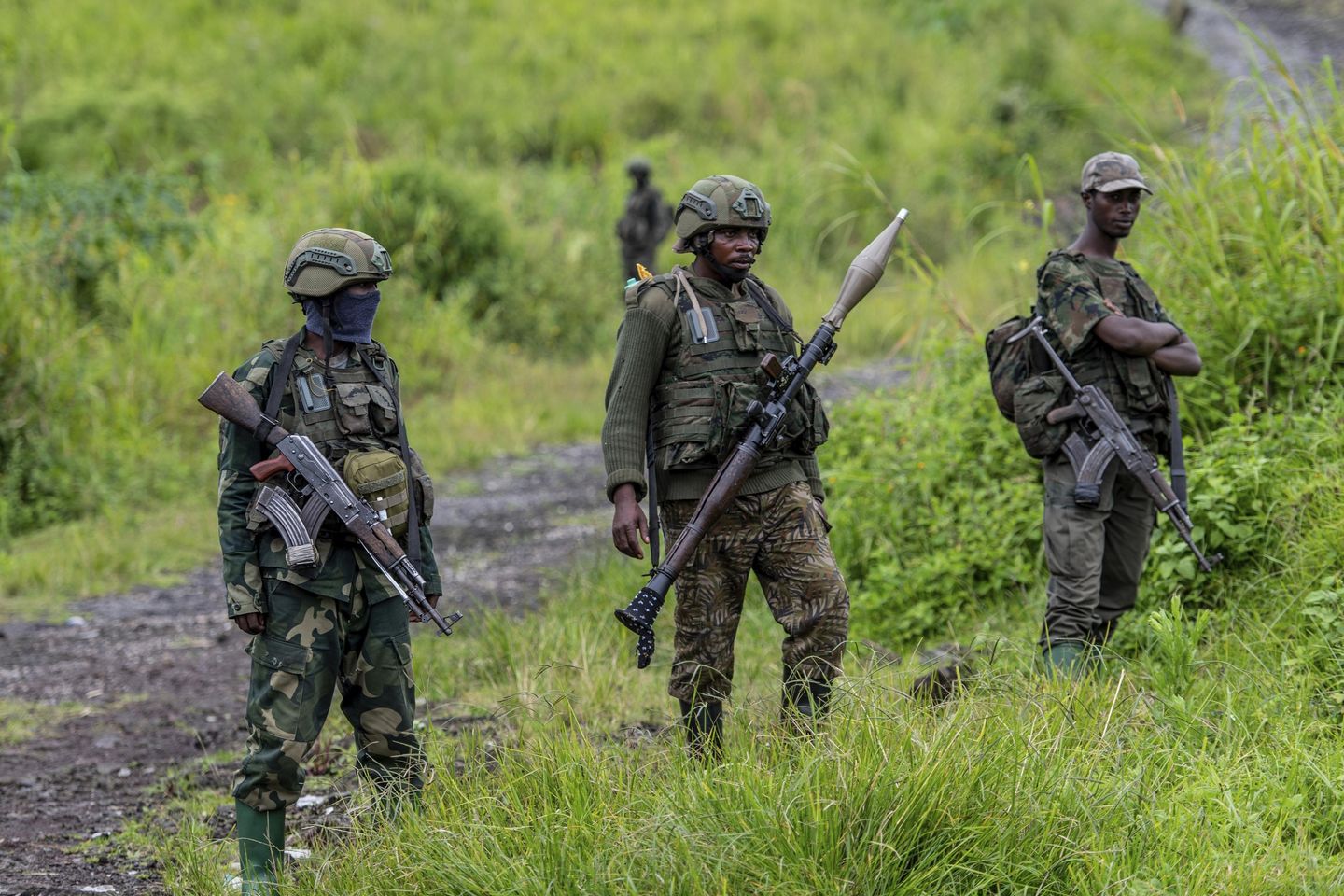
In a significant move towards ending decades of conflict, Congo and Rwanda-backed rebels, known as M23, have signed a declaration of principles in Qatar. The agreement aims to facilitate a comprehensive peace agreement, with a key focus on restoring state authority in eastern cities currently under insurgent control.

The declaration outlines a commitment from both Congo and the M23 rebels to “building trust.” This will be achieved through various measures, including the exchange of prisoners and detainees. Crucially, it also includes the restoration of state authority in all parts of the country, encompassing areas presently held by the rebel group, as stated by Qatar’s minister of state, Mohammed bin Abdulaziz bin Saleh Al-Khulaifi.

While the declaration marks a positive step, ambiguity remains regarding the specifics of its implementation. Notably, there are differing interpretations between the parties regarding the withdrawal of M23 from the cities they currently control.

Bertrand Bisimwa, a leader within the M23, clarified that the declaration is “not a question of withdrawal but of mechanisms for empowering the state, enabling it to assume its prerogatives and obligations.” This suggests a focus on integrating state functions within the existing M23-controlled areas rather than a complete pullout. M23 spokesman Lawrence Kanyuka emphasized this point, stating, “We are in Goma with the population and we are not going to get out.”

Conversely, Congolese government spokesman Patrick Muyaya presented a different perspective. He asserted that the declaration takes into account “the non-negotiable withdrawal” of the rebels, which would then be followed by the deployment of government forces and institutions.

The M23, supported by neighboring Rwanda, is a major player among the numerous armed groups vying for control in Congo’s resource-rich eastern region. The conflict has had devastating consequences, displacing an estimated 7 million people in Congo. The United Nations has characterized the situation in eastern Congo as “one of the most protracted, complex, serious humanitarian crises on Earth.”

The signing represents the first direct commitment between the two sides since the rebels’ significant advances earlier this year, which saw them seize key cities in eastern Congo. The declaration sets a deadline of August 18 for the signing of a final peace deal. This final agreement is expected to align with the Peace Agreement previously brokered by the U.S. between Congo and Rwanda in June.

A key demand from the M23 has been the release of its members currently detained by Congo’s military, many of whom face severe penalties, including the death sentence. In return, Congo has been demanding the withdrawal of the rebels from the territories they have seized.

The Qatari minister emphasized the significance of the declaration, stating, “The Declaration of Principles signed today paves the way for direct negotiations towards a comprehensive peace that addresses the deep-rooted causes of the conflict.”

The Rwandan Foreign Affairs Ministry echoed this sentiment, calling it “a significant step forward” towards ending the ongoing conflict. The U.S. State Department also released a statement reaffirming America’s commitment to supporting “a peace that results in the restoration of (Congolese) authority and inclusive governance” in the region.

In Goma, a city heavily impacted by the conflict, the news of the signing was met with mixed reactions. Many locals expressed skepticism about the possibility of achieving lasting peace without addressing the needs of the victims of the decades-long conflict.

“We cannot build peace without justice and reparation,” stated Amani Muisa, a resident of Goma, reflecting the concerns of many who feel that accountability and redress are essential for a sustainable resolution.

The declaration also addresses key aspects of the peace deal signed by Congo and Rwanda on June 27, including the protection and safe return of the millions of people displaced by the conflict.

Massad Boulos, a senior advisor to a U.S. President who participated in the Doha-led talks, emphasized the urgency of the situation, stating, “It is time to find a final solution” to the conflict. He reiterated the importance of affirming state control in rebel-held territories as a crucial element of any lasting agreement.

Boulos further noted, “The issue requires dialogue, and following up on this dialogue and requires persistence,” highlighting the need for sustained engagement and commitment from all parties involved.

Another significant challenge that both sides must confront is the issue of Rwanda’s alleged support for the rebels, including the presence of thousands of Rwandan troops in eastern Congo, as reported by United Nations experts.

During the signing of the peace deal in Washington, the Rwandan Foreign Minister indicated that Rwanda would lift its “defensive measures” – seemingly referring to its troops in eastern Congo – once Congo neutralizes an armed group that Kigali accuses of involvement in the 1994 genocide in Rwanda.

Analysts have expressed doubts about the feasibility of the M23 rebels withdrawing from key eastern Congolese cities such as Goma and Bukavu. They suggest that such a withdrawal would depend heavily on the concessions that Congolese authorities are willing to make. Furthermore, concerns remain that lasting peace may be unattainable without addressing the issue of justice for the victims of the conflict.

Read Full Story

July 19, 2025 0 comments
0 FacebookTwitterPinterestEmail
Uncategorized

Syria and Israel Agree to Ceasefire Amid Internal Clashes

by admin July 19, 2025
written by admin
Syria and Israel Agree to Ceasefire Amid Internal Clashes

Representative image for illustration purposes only

Syria and Israel Agree to Ceasefire Amid Internal Clashes

A ceasefire has been agreed upon between Israel and Syria, according to the U.S. envoy to Syria, following Israel’s intervention in the conflict between Syrian government forces and Bedouin tribes, along with armed groups from the Druze minority.

The announcement arrives amidst ongoing clashes between Druze and Bedouin clans in Syria’s southern Sweida province, which has led to a worsening humanitarian crisis with tens of thousands displaced.

Earlier in the week, government forces had withdrawn from Sweida after a separate ceasefire was agreed with Druze groups. This occurred after Israel launched multiple airstrikes targeting convoys of government fighters, even striking the Syrian Defense Ministry headquarters in central Damascus.

Israel stated that its actions were aimed at defending the Druze community, who are a substantial minority within Israel and are generally seen as loyal, often serving in the Israeli military.

The U.S. envoy shared that the new ceasefire between Israel and Syria has the support of Turkey, Jordan, and other neighboring countries. He also called for “Druze, Bedouins, and Sunnis to put down their weapons and together with other minorities build a new and united Syrian identity in peace and prosperity with its neighbors.”

Details of the agreement were not immediately provided.

Prior to the ceasefire announcement, Syria’s interim President had stated that the government would deploy a “specialized force to break up clashes and resolve the conflict on the ground” in Sweida.

Syrian officials had reportedly negotiated with Druze factions to reach an agreement that would allow government forces to re-enter the area to restore stability and protect state institutions. While an agreement was seemingly reached, the deployment was later delayed without explanation.

The ongoing clashes have significantly hampered the ability of the United Nations to deliver critical humanitarian and medical aid to the affected population.

The recent wave of violence began with clashes between Druze militias and local Sunni Muslim Bedouin tribes. Initially, government forces intervened, ostensibly to restore order, but ultimately sided with the Bedouins against the Druze. This led to Israel launching airstrikes against Syrian forces in defense of the Druze.

The fighting resulted in hundreds of deaths over four days, with allegations of government-affiliated fighters executing Druze civilians and engaging in looting and arson.

As mentioned previously, Israel responded with airstrikes on government convoys and even the Syrian Defense Ministry in Damascus. The Druze community’s presence in Israel and their perceived loyalty are factors in Israel’s involvement.

A previous truce mediated by the U.S., Turkey, and Arab countries had been announced, outlining that Druze factions and clerics would maintain internal security in Sweida while government forces withdrew.

However, clashes soon reignited between Druze and Bedouin groups in Sweida province. State media reported retaliatory attacks by Druze militias against Bedouin communities, resulting in further displacement.

The governor of neighboring Daraa province reported that a significant number of families had been displaced to the area from Sweida due to “attacks on Bedouin tribes by outlaw groups.”

A volunteer group, Syrian Civil Defense, reported the kidnapping of the head of its center in Sweida city. He was reportedly abducted by gunmen while en route to evacuate a U.N. team. While initial reports indicated he was safe, subsequent contact has been unsuccessful.

The United Nations’ migration agency estimates that nearly 80,000 people have been displaced since the clashes began.

Essential services, including water, electricity, and telecommunications, have collapsed in Sweida. Health facilities in both Sweida and Daraa are under immense strain.

Supply routes have been severely disrupted due to insecurity and road closures, preventing the delivery of aid. The U.N. Resident and Humanitarian Affairs Coordinator in Syria highlighted the urgent need for access to provide critical assistance.

While the World Health Organization managed to send trauma care supplies to Daraa province, Sweida remains inaccessible.

The U.N. plans to send a mission to assess needs and provide aid as soon as conditions permit, in coordination with authorities.

Bedouin groups and supporters from other areas of Syria have arrived to participate in the fighting.

On the outskirts of Sweida, groups of armed Bedouin gathered near buildings that had been set on fire. One individual stated that they had come from the eastern province of Deir ez-Zor to “support the oppressed.”

He expressed a determination to continue fighting until a prominent Druze leader opposed to the government in Damascus, Sheikh Hikmat Al-Hijri, is defeated. He clarified that civilians would not be targeted as long as they remained in their homes.

The Druze religious sect originated in the 10th century as an offshoot of Ismailism, a branch of Shiite Islam. Over half of the world’s approximately 1 million Druze reside in Syria, with the majority of the remainder living in Lebanon and Israel, including the Golan Heights, which Israel captured from Syria in 1967 and annexed in 1981.

While Sweida is predominantly Druze, it also houses Bedouin tribes who are Sunni Muslim. Historically, there have been periodic clashes between the two groups. The current escalation was triggered by an attack and robbery of a Druze man by members of a Bedouin tribe, leading to retaliatory attacks and kidnappings.

A Syrian researcher suggested that there is “no specific reason” for the long-standing tensions between the groups.

He further stated that “All of Syria is full of social problems that have no reason.”

According to him, “The state exploited the latest problem to try to change the situation in Sweida, and this only increased the scope of it.”

In Israel, members of the Druze community had called for intervention to protect the Druze in Syria. However, elsewhere in the region, Druze leaders have rejected Israeli intervention.

The spiritual leader of the Druze community in Lebanon stated that sectarian clashes in Syria “give an excuse for Israeli intervention and for blowing up the situation in the region.”

He emphasized that “We do not accept to request protection from Israel, which we believe is harmful to our history and identity.”

He called for all parties to adhere to the ceasefire agreement and for a national dialogue to address the underlying issues between different communities in Syria.

A Lebanese Druze leader called for the formation of an investigative committee to examine violations against both Druze and Bedouins in Syria.

Read Full Story

July 19, 2025 0 comments
0 FacebookTwitterPinterestEmail
Newer Posts
Older Posts

Recent Posts

  • Supreme Court Rebukes Appeals Court for Overstepping in Habeas Case
  • Supreme Court Sides with Defendant in Child Abuse Case
  • Court Denies Expedited Hearing in Cannabis-Related Import Case
  • Court Remands Ceramic Tile Case, Again, Citing Insufficient Evidence
  • Apex vs. Rubin: Supreme Court Weighs Eminent Domain and Property Rights

Categories

  • Administrative Law
  • Constitutional Law
  • Criminal Law
  • Family Law
  • Immigration Law
  • International Law
  • Property Law
  • Random
  • Uncategorized

About Us

Lexogist is a legal news platform dedicated to publishing timely and accurate analyses of U.S. court opinions across diverse legal domains. Our expert contributors provide clear, accessible insights into significant judicial decisions and their real-world implications.

Links

  • Home
  • Sample Page
  • Administrative Law
  • Bankruptcy Law

Links

  • Home
  • Sample Page
  • Sample Page

Disclaimer

Disclaimer: Lexogist provides legal news and analysis for informational purposes only and does not offer legal advice. No attorney–client relationship is formed by using this site. For legal advice, please consult a qualified attorney.

  • Facebook
  • Twitter

@2021 - All Right Reserved. Designed and Developed by PenciDesign


Back To Top
Lexology
  • Home
  • Sample Page
  • Administrative Law
  • Bankruptcy Law
  • Business & Commercial Law
  • Civil Rights & Liberties
  • Constitutional Law
  • Criminal Law
  • Employment & Labor Law
  • Family Law
  • Health Law
  • Immigration Law
  • International Law
  • Military Law
  • Property Law
  • Tax Law
  • Tort Law