
• Home
  • Sample Page
  • Administrative Law
  • Bankruptcy Law
  • Business & Commercial Law
  • Civil Rights & Liberties
  • Constitutional Law
  • Criminal Law
  • Employment & Labor Law
  • Family Law
  • Health Law
  • Immigration Law
  • International Law
  • Military Law
  • Property Law
  • Tax Law
  • Tort Law
Lexology
keep your memories alive
Uncategorized

Federal Reserve Governor Resigns, Trump to Nominate Replacement

by admin August 3, 2025
written by admin
Federal Reserve Governor Resigns, Trump to Nominate Replacement

Representative image for illustration purposes only

Federal Reserve Governor Resigns, Trump to Nominate Replacement

A vacancy has opened on the Federal Reserve Board of Governors with the early departure of Adriana Kugler. Kugler, who had served as governor since September 2023, announced her resignation, effective Friday, despite her term originally slated to end in January.

In her resignation letter, she expressed pride in her service, particularly during a period focused on managing inflation and maintaining a robust labor market, highlighting her commitment to public service and a data-driven approach rooted in her expertise in labor markets and inflation. She is set to return to Georgetown University in the fall.

This unexpected departure presents President Trump with the opportunity to nominate a replacement. This appointment could potentially influence the future direction of the Federal Reserve, especially considering that Fed Chair Jerome Powell’s term concludes in May.

President Trump has been a vocal critic of Powell’s handling of the Fed, particularly regarding interest rate policies. He has previously suggested he might remove Powell, although he later retracted those statements. Following Kugler’s announcement, Trump posted on Truth Social, suggesting Powell should follow Adriana Kugler’s lead and resign, implying disagreement with his interest rate decisions.

The President has expressed enthusiasm about filling the open position, stating that he has “about three very good” candidates in mind.

Read Full Story

August 3, 2025 0 comments
0 FacebookTwitterPinterestEmail
Uncategorized

US Boosts Naval Presence to Counter China’s Maritime Power

by admin August 2, 2025
written by admin
US Boosts Naval Presence to Counter China's Maritime Power

Representative image for illustration purposes only

US Boosts Naval Presence to Counter China's Maritime Power

The United States is making a significant push to revitalize its maritime industry, a move driven by concerns over China’s growing naval power and the increasing demands on American forces globally. This resurgence involves substantial investments aimed at bolstering shipbuilding capabilities and addressing the challenges facing the sector.

For several years, the Navy and Coast Guard fleets have been dwindling, even as their operational tempo has increased, particularly in the Middle East and the Indo-Pacific region where China is viewed as a primary competitor. This situation has forced the U.S. to rely on an aging and smaller fleet of warships. Compounding the issue, America’s share of the international shipping market has declined considerably.

A major component of this revival is the One Big Beautiful Bill Act, which promises billions of dollars in funding for the U.S. shipbuilding and maritime industrial base. The Coast Guard, in particular, is slated to receive a significant boost, with $14 billion earmarked for shipbuilding – a tenfold increase compared to its usual allocation. This influx of funds is seen as critical for the Coast Guard to meet its responsibilities effectively.

However, Washington faces considerable hurdles as it seeks to catch up with shipbuilding powerhouses like South Korea and China. Turning financial resources into tangible capabilities will require addressing several key issues, including worker shortages, deteriorating infrastructure, and insufficient commercial demand. The U.S. maritime industry must overcome these obstacles to fully capitalize on the increased funding.

The Navy is projected to expand significantly, growing from its current fleet of 296 manned warships to 381, along with the addition of 134 unmanned surface and subsurface vessels by 2045. This ambitious expansion plan underscores the commitment to strengthening America’s naval presence.

Recent actions, such as an executive order aimed at restoring American maritime dominance and trade law penalties targeting Chinese-built and owned ships, signal a renewed focus on the maritime industry. These measures represent a significant shift in policy and demonstrate the high-level support for revitalizing the sector. The level of attention being given to the maritime industry is unprecedented in recent years.

A crucial factor for the shipbuilding industry is a stable demand signal, whether from government agencies or private companies. This stability provides suppliers with the confidence to invest in technology and innovation, as well as to expand their facilities. Shipbuilding is a long-term endeavor, and consistent demand is essential for fostering growth and development.

The SHIPS for America Act, reintroduced as a bipartisan bill, aims to revitalize both the shipbuilding and commercial maritime industries. The act also proposes the establishment of a Maritime Security Advisor and Maritime Security Board within the White House to develop and implement a national maritime strategy. This reflects a comprehensive approach to addressing the challenges and opportunities facing the sector.

The nation’s shipyards are currently underutilized in the private sector for surface ships. Ship repair is a critical aspect of both the commercial and navy sectors. Shipyards are grappling with a shrinking fleet, highlighting the need for increased maintenance funding and work to sustain their operations.

Read Full Story

August 2, 2025 0 comments
0 FacebookTwitterPinterestEmail
Uncategorized

Syria Investigates Sweida Violence

by admin August 1, 2025
written by admin
Syria Investigates Sweida Violence

Representative image for illustration purposes only

Syria Investigates Sweida Violence

Following recent intense clashes in southern Syria, primarily in Sweida province, Damascus has initiated an investigation to determine the root causes of the violence. The inquiry aims to identify those responsible and potentially bring them to justice through the appropriate legal channels. The clashes, which erupted in July, initially involved local Druze militia members and Bedouin fighters, escalating when Syrian government forces intervened and subsequently faced airstrikes from Israel.

The investigation, led by a committee comprised of judicial and military personnel, will delve into the origins of the conflict and scrutinize allegations of human rights abuses. Suspects identified during the probe will be referred to the judiciary for further action. The committee is mandated to submit its findings to Damascus by the conclusion of October.

The July outbreak of violence represents the second significant incident since the fall of Bashar Assad’s regime. Since assuming the interim presidency, Ahmed al-Sharaa has focused on unifying the nation, addressing rival factions, and consolidating government control, particularly in Damascus. However, ethnic tensions have posed ongoing challenges to these efforts. For example, in March, numerous Alawite minority civilians were killed following clashes with militias aligned with Mr. Assad. A previous fact-finding mission, while finding no direct orders from Syrian commanders to target civilians, still referred nearly 300 individuals to the judiciary over alleged abuses.

Read Full Story

August 1, 2025 0 comments
0 FacebookTwitterPinterestEmail
Uncategorized

More Senate Democrats Open to Blocking Arms Sales to Israel

by admin August 1, 2025
written by admin
More Senate Democrats Open to Blocking Arms Sales to Israel

Representative image for illustration purposes only

More Senate Democrats Open to Blocking Arms Sales to Israel

Cracks are widening within the Democratic Party as more Senate Democrats are translating their concerns about Israeli Prime Minister Benjamin Netanyahu’s wartime conduct in Gaza into concrete action. This shift is primarily driven by the escalating humanitarian crisis, particularly reports of children dying from starvation.

Recent Senate votes revealed a growing willingness among Democrats to challenge the status quo. More than half of the 47-member Senate Democratic Caucus supported measures to block weapons sales to Israel, a move seen as a direct rebuke of Mr. Netanyahu’s handling of the situation. While these votes ultimately failed due to unified Republican opposition, they highlighted a significant fracture within the Democratic ranks regarding policy toward Israel.

Senator Amy Klobuchar, a Minnesota Democrat, articulated the rationale behind this shift, emphasizing the need to send a clear message that the current situation is unacceptable. She stressed that Israel has the power to allow more aid into Gaza immediately and to prioritize a long-term two-state solution. Vermont Senator Bernard Sanders, an independent who aligns with the Democrats, echoed this sentiment, expressing satisfaction that more Democrats are recognizing the problematic nature of U.S. taxpayer support for the Netanyahu government’s policies, which he characterized as devastating to the Palestinian people, even to the point of starving children. He also predicted that some Republicans might eventually join this perspective.

However, the issue remains deeply divisive. Senate Minority Leader Charles E. Schumer, a New York Democrat and the highest-ranking Jewish U.S. official, voted against halting weapons shipments. He argued that “security assistance to Israel is not about any one government but about our support for the Israeli people.” Despite this, he condemned the “heartbreaking and unacceptable” humanitarian crisis in Gaza and urged the Trump administration and the Netanyahu government to drastically increase the delivery of food and other essential aid to “innocent Palestinians in Gaza.”

These votes represent the third time in the past year that Mr. Sanders has initiated Senate votes concerning arms provisions to Israel related to its conflict with Hamas. He has indicated his intention to continue this practice if the humanitarian crisis persists. Senator James E. Risch, an Idaho Republican and Chairman of the Senate Foreign Relations Committee, noted the unwavering GOP support for Israel, expressing uncertainty about the motivations driving the Democrats’ actions.

Specifically, one vote aimed to block the sale of tens of thousands of fully automatic assault rifles, failing by a vote of 27-70. Another vote sought to prohibit a $676 million sale of thousands of 1,000-pound bombs and guidance kits, which was rejected by a slightly larger margin of 24-73. In similar votes orchestrated by Mr. Sanders earlier in the year, Democratic support peaked at 19.

This recent shift is largely attributed to the increasingly dire conditions in Gaza, where mass starvation has exacerbated the already staggering death toll resulting from the conflict between Israel and Hamas. The deteriorating situation has compelled some Democrats, who previously opposed such measures, to now support sending a message to Mr. Netanyahu.

Senator Raphael Warnock, a Georgia Democrat, who previously opposed blocking arms to Israel, supported the recent effort, stating, “Starving children and innocent civilians is wrong.” Other senators who switched their votes included Ms. Klobuchar, Sens. Angela Alsobrooks of Maryland, Lisa Blunt Rochester of Delaware, Tammy Duckworth of Illinois, Patty Murray of Washington, and Jack Reed and Sheldon Whitehouse, both of Rhode Island. Notably, Senators Reed, Whitehouse, and Jon Ossoff of Georgia only voted to block the sale of assault rifles, not the bombs.

Senator Ossoff explained that his opposition to sending assault rifles stemmed from the likelihood that they “would likely have been allocated to police forces under the control of Itamar Ben-Gvir,” Israel’s far-right national security minister, who has actively resisted ceasefire efforts. However, he supported the continued provision of bombs, arguing that they have a more significant role in protecting the Israeli people, “who face the persistent threat of rocket and missile attack and have been subjected to intense aerial bombardment from Iran, Lebanon, and Yemen.” He framed his vote as a demonstration of protest against the Netanyahu government’s policies, citing “overwhelming public concern, sadness and outrage at the starvation of children.”

Republicans were quick to criticize Mr. Ossoff’s stance. Some Democrats remain frustrated with Mr. Sanders’ continued efforts to force these votes, viewing them as a source of division within the Democratic Caucus. Senator Chris Coons, a Delaware Democrat, emphasized the importance of a unified voice within the caucus, arguing that “these resolutions do not bring us closer to their stated goals. Instead, they renege on our promise of support to our ally Israel and risk a fragile but expanding aid apparatus.”

Read Full Story

August 1, 2025 0 comments
0 FacebookTwitterPinterestEmail
Uncategorized

EU countries seek billions in defense funding.

by admin July 31, 2025
written by admin
EU countries seek billions in defense funding.

Representative image for illustration purposes only

EU countries seek billions in defense funding.

Numerous European Union member states, totaling 18, are seeking €146 billion in EU-backed loans to strengthen their defense procurement efforts. These nations, including Spain, Italy, Greece, and Hungary, aim to access these funds through Security Action for Europe (SAFE).

SAFE, a financial tool created by the EU in May, is designed to help member states enhance their defense spending and support the European defense industry. The European Commission’s statement indicates that this interest allows leadership to begin securing funds from capital markets.

EU member states and countries with defense procurement agreements with EU nations are eligible for SAFE loans. Supported projects must involve common procurement, including at least one member state and a member state benefiting from a loan, as well as Ukraine or other European Economic Area countries. A key condition dictates that no more than 35% of component costs can originate from outside the EU, Ukraine, or EEA nations.

The deadline for submitting a formal SAFE loan request is November 30th.

Read Full Story

July 31, 2025 0 comments
0 FacebookTwitterPinterestEmail
Uncategorized

Bolivia’s Right Wing Hopes Rest on Multimillionaire Presidential Candidate

by admin July 31, 2025
written by admin
Bolivia's Right Wing Hopes Rest on Multimillionaire Presidential Candidate

Representative image for illustration purposes only

Bolivia's Right Wing Hopes Rest on Multimillionaire Presidential Candidate

Bolivia is on the cusp of a potentially significant political shift as it approaches its upcoming election. After nearly two decades under the rule of the Movement Toward Socialism (MAS) party, a new challenger has emerged, presenting a real possibility of unseating the established order.

Samuel Doria Medina, a seasoned politician and successful businessman, is making his fourth bid for the presidency. While his previous attempts were unsuccessful against the backdrop of Evo Morales’ dominant leftist party, the current political landscape presents a unique opportunity.

Bolivia is grappling with a severe economic crisis, its worst since 1991. This crisis, characterized by dollar shortages, fuel scarcity, and widespread unrest, has significantly weakened the MAS party’s grip on power. The once-unquestioned dominance of the party, which oversaw a period of economic growth and poverty reduction under Morales, is now being challenged.

Doria Medina is capitalizing on public discontent, promising unity and solutions to the country’s pressing economic problems. He aims to address the fuel shortages and stabilize the foreign exchange rate within his first 100 days in office. His economic plan draws inspiration from Argentina’s radical libertarian President Javier Milei’s approach to tackling inflation.

A key element of Doria Medina’s proposed economic overhaul is the elimination of fuel subsidies, a long-standing but controversial policy of the MAS party. While this move could face resistance, as seen in 2010 when Morales attempted a similar reform, Doria Medina argues that the current subsidy system is unsustainable, costing Bolivia billions of dollars annually.

Beyond economic policy, Doria Medina envisions a significant shift in Bolivia’s foreign policy. He aims to strengthen ties with the United States, seeking agreements to facilitate the export of Bolivian products to the U.S. market. This represents a departure from the country’s recent alignment with China, Iran, and Russia.

Bolivia’s vast reserves of strategic minerals, particularly lithium, are a key point of interest for the U.S. Lithium is a crucial component in renewable batteries, and securing access to Bolivia’s lithium mines could be a major win for the U.S., especially given the interest shown by Chinese and Russian companies.

The political landscape is further complicated by the internal divisions within the MAS party. The rift between current President Luis Arce and his predecessor, Evo Morales, has created significant instability. Arce ultimately withdrew from the race, while Morales’ attempts to remain a dominant force have been hampered by legal challenges and allegations of misconduct.

Adding to the intrigue, Morales faces an arrest warrant related to allegations of a sexual relationship with a minor, which he claims are politically motivated. Doria Medina has stated that if elected, he would enforce the law and ensure that Morales is held accountable, potentially facing imprisonment.

Despite Morales’ threats to destabilize the country in protest, Doria Medina believes that Morales no longer holds the same level of political influence. He cites widespread public anger and a desire for change as evidence that voters are ready to move on from the Morales era.

As the election approaches, the political climate in Bolivia remains highly charged. The outcome will determine the country’s future direction, both economically and politically. Doria Medina’s promises of economic reform, closer ties with the U.S., and a commitment to the rule of law have resonated with many voters, positioning him as a strong contender to lead Bolivia into a new chapter.

Read Full Story

July 31, 2025 0 comments
0 FacebookTwitterPinterestEmail
Uncategorized

Strong Earthquake Triggers Tsunami Alerts in Pacific

by admin July 30, 2025
written by admin
Strong Earthquake Triggers Tsunami Alerts in Pacific

Representative image for illustration purposes only

Strong Earthquake Triggers Tsunami Alerts in Pacific

An 8.7-magnitude earthquake triggered a tsunami that impacted coastal regions of the Kuril Islands in Russia and Hokkaido, Japan’s northern island. Authorities issued tsunami warnings, prompting evacuations to higher ground. The initial wave, approximately 30 centimeters, reached Nemuro on Hokkaido’s eastern coast.

In Severo-Kurilsk, the main settlement on Russia’s Kuril Islands, residents were moved to safety as a precaution against potential repeat waves. The Pacific Tsunami Warning Center indicated the possibility of waves reaching 1 to 3 meters above tide level in Hawaii, Chile, Japan, and the Solomon Islands. Coastal areas of Russia and Ecuador faced a heightened risk of waves exceeding 3 meters. The situation is being closely monitored as communities remain vigilant against further tsunami activity.

Read Full Story

July 30, 2025 0 comments
0 FacebookTwitterPinterestEmail
Uncategorized

Beijing Floods Kill 30, State Media Reports

by admin July 29, 2025
written by admin
Beijing Floods Kill 30, State Media Reports

Representative image for illustration purposes only

Beijing Floods Kill 30, State Media Reports

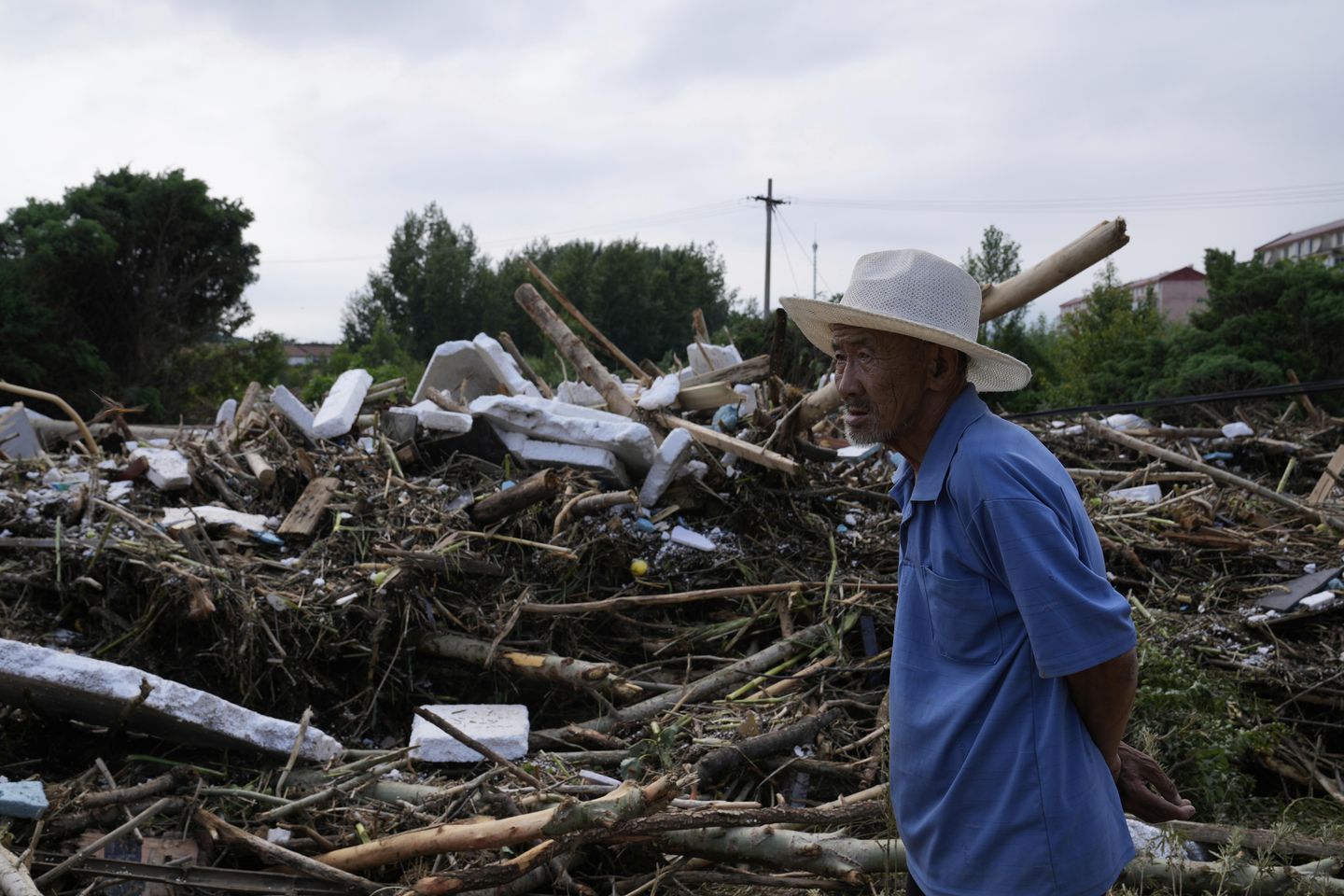
Heavy rains and flooding in northern China have resulted in significant loss of life and widespread evacuations. Initial reports indicated four fatalities due to a landslide in Hebei province, with eight individuals missing. Tragically, the death toll has now risen considerably, with Chinese state media reporting 30 deaths in Beijing, specifically in the Miyun district, and two deaths in Yanqing. This brings the total confirmed deaths to at least 34.

The severe weather prompted the evacuation of tens of thousands of people from areas surrounding Beijing and the neighboring city of Tianjin. Authorities released water from a reservoir in Beijing’s Miyun district, which had reached its highest level since 1959, leading to warnings for residents to stay away from downstream rivers due to rising water levels and the forecast of further heavy rain. The situation in Miyun district was particularly dire, with reports of cars being washed away and power poles downed by the intense flooding.

Premier Li Qiang acknowledged the “serious casualties” caused by the heavy rain and flooding in Miyun and called for intensified rescue efforts. The impact of the disaster is evident in towns like Taishitun, located northeast of central Beijing, where uprooted trees and waterlogged streets illustrate the scale of the devastation. Residents described the sudden and overwhelming nature of the flooding, with one shop owner recounting how the water rose rapidly, filling the area in a matter of moments.

One resident, a traditional Chinese medicine practitioner, shared his experience of being trapped in his clinic, highlighting the fear and uncertainty faced by many. He said he retreated upstairs to await rescue, fearing the consequences if help didn’t arrive.

Beijing authorities initiated a top-level emergency response, urging residents to remain indoors, closing schools, halting construction, and suspending outdoor tourism and other activities. Forecasts predicted further heavy rainfall, with some areas expecting up to 30 centimeters (12 inches) of rain.

Over 30,000 people were evacuated from Beijing districts, including approximately 6,400 from Miyun. An additional 10,000 individuals were evacuated from the nearby Jizhou district in Tianjin. In response to the crisis, the central government allocated 50 million yuan (approximately $7 million) to Hebei and deployed a high-level team of emergency responders to assist affected cities, including Chengde, Baoding, and Zhangjiakou.

The severity of the situation evokes memories of the severe flooding experienced by Beijing and Hebei in 2023, underscoring the region’s vulnerability to extreme weather events. The photos depict the devastation.

Read Full Story

July 29, 2025 0 comments
0 FacebookTwitterPinterestEmail
Uncategorized

Israel pauses Gaza fighting daily in select areas for aid delivery amid rising hunger.

by admin July 28, 2025
written by admin
Israel pauses Gaza fighting daily in select areas for aid delivery amid rising hunger.

Representative image for illustration purposes only

Israel pauses Gaza fighting daily in select areas for aid delivery amid rising hunger.

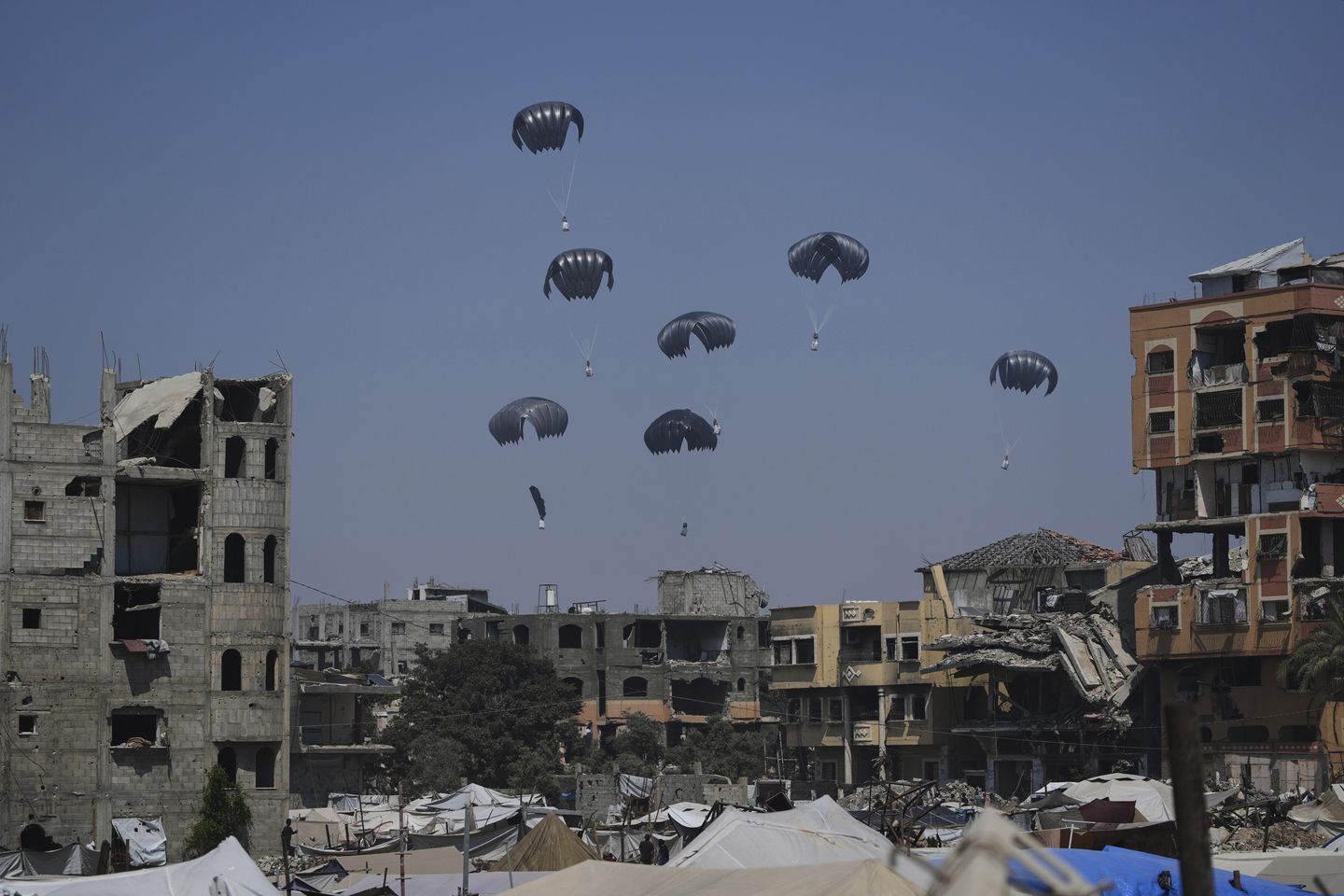
The Israeli military has initiated limited daily pauses in fighting across three populated areas within Gaza. These “tactical pauses” are scheduled for 10 hours each day and aim to facilitate increased humanitarian aid to the region, addressing growing concerns about widespread hunger. These actions come as Israel faces mounting international criticism regarding its conduct throughout the 21-month war.

The military specified that the pauses will occur in Gaza City, Deir al-Balah, and Muwasi – all densely populated areas. Running from 10:00 a.m. to 8:00 p.m. daily, the pauses are intended to remain in effect until further notice. The overarching goal is to permit a greater flow of essential humanitarian supplies into the territory.

Israeli Prime Minister Benjamin Netanyahu acknowledged the necessity of allowing “minimal humanitarian supplies” to enter Gaza, regardless of the chosen path forward in the conflict.

Despite the designated pauses, the military emphasized that combat operations would continue otherwise. Health officials in Gaza reported that Israeli strikes resulted in the deaths of at least 41 Palestinians between late Saturday and Sunday, including 26 individuals who were seeking aid.

The distressing images of emaciated children have intensified criticism aimed at Israel, with allies among those calling for an end to the ongoing war. Israel has imposed restrictions on aid reaching Gaza’s population, which exceeds 2 million, alleging that Hamas diverts the aid to strengthen its control. However, Israel has not provided concrete evidence to support these claims. Consequently, a significant portion of the population, confined to increasingly smaller areas, is now heavily reliant on external aid.

Sabreen Hassona, an affected Palestinian, shared her experience: “I came to get flour for my children because they have not tasted flour for more than a week, and thank God, God provided me with a kilo of rice with difficulty.” Her words highlight the dire circumstances faced by many as they struggle to secure basic necessities.

The Israel military reported conducting airdrops of 28 aid packages containing food on Sunday. Additionally, the military announced plans to establish secure routes for aid delivery, coordinating these efforts with the United Nations and other humanitarian organizations.

The U.N. World Food Program asserted that it has sufficient food supplies either within Gaza or en route to feed the entire population for nearly three months. However, the organization has also reported that a third of Gaza’s population has gone without food for days, and nearly half a million people are experiencing conditions akin to famine.

Antoine Renard, the WFP’s country director for the occupied Palestinian territories, stated that approximately 80 WFP trucks entered Gaza. He also noted that over 130 trucks arrived via Jordan, Ashdod, and Egypt, with additional aid moving through the Kerem Shalom and Zikim crossings.

Despite these efforts, Renard emphasized that the current level of aid is insufficient to counteract the “current starvation” crisis effectively.

In July alone, Gaza recorded 63 malnutrition-related deaths, including 24 children under the age of 5, according to the World Health Organization.

Dr. Muneer al-Boursh, Gaza’s Health Ministry director-general, urged for a substantial influx of medical supplies to address the escalating issue of child malnutrition.

“This (humanitarian) truce will mean nothing if it doesn’t turn into a real opportunity to save lives,” Dr. al-Boursh stated. “Every delay is measured by another funeral.”

Efforts toward a broader ceasefire appear to be faltering. Israel and the U.S. recalled their negotiating teams from Qatar, attributing the setback to Hamas. Israel has also indicated that it is considering “alternative options” to the ongoing talks.

Israel maintains that it is prepared to end the war if Hamas surrenders, disarms, and goes into exile, a proposition that the group has consistently rejected.

Senior Hamas official Mahmoud Merdawi suggested that Israel’s shift in approach to the humanitarian crisis reflects an acknowledgment of the starvation affecting Palestinians in Gaza. He further asserted that Israel’s actions are primarily intended to improve its international image rather than genuinely saving lives.

Following the termination of the most recent ceasefire in March, Israel imposed a 2 ½ month block on the entry of food, medicine, fuel, and other essential supplies into Gaza. This measure was reportedly aimed at pressuring Hamas to release hostages. Fifty hostages remain in Gaza, with over half presumed to be deceased.

Facing international pressure, Israel implemented a slight easing of the blockade in May. Since then, approximately 4,500 trucks have been permitted to enter, allowing the U.N. and other organizations to distribute aid. However, the average of 69 trucks per day falls significantly short of the 500 to 600 trucks that the U.N. estimates are necessary.

The U.N. has reported difficulties in distributing much of the aid, citing instances where hungry crowds and gangs seize the supplies directly from the trucks.

As an alternative to U.N.-controlled aid delivery, Israel has supported the U.S.-registered Gaza Humanitarian Foundation, which established four centers in May for distributing food boxes. The U.N. human rights office has reported that over 1,000 Palestinians have been killed by Israeli forces since May while attempting to obtain food, primarily near these distribution sites.

Israel has consistently criticized the U.N., alleging that its system enables Hamas to steal aid. The U.N. denies these allegations and maintains that its system represents the most effective means of delivering aid to Palestinians.

“Gaza is not a remote island. The infrastructure and resources exist to prevent starvation; we just need safe, sustained access,” stated Kate Phillips-Barrasso, Mercy Corps’ vice president of global policy and advocacy.

Awda Hospital in Nuseirat reported that Israeli forces killed at least 13 people, including four children and a woman, and wounded 101 others as they approached a GHF aid distribution site in central Gaza.

Israel’s military stated that it fired warning shots to deter a “gathering of suspects” from approaching within hundreds of meters of the site before it opened. GHF reported no incidents at or near its sites.

Thirteen additional individuals were killed while seeking aid in other areas of Gaza, including northwestern Gaza City, where over 50 people were wounded, and near the Zikim crossing, where over 90 were wounded, according to hospital officials and medics.

Israel’s military announced that two soldiers were killed in Gaza, bringing the total number of Israeli military fatalities to 898 since the Hamas attack on October 7, 2023, which initiated the war. Hamas killed 1,200 people, predominantly civilians, in that initial attack and took 251 hostages.

Israel’s retaliatory offensive has resulted in the deaths of more than 59,700 Palestinians, according to Gaza’s Health Ministry. While the ministry’s count does not differentiate between combatants and civilians, it reports that over half of the fatalities are women and children. The ministry operates under the Hamas government, and the U.N. and other international organizations consider it to be the most reliable source of data on casualties.

President Donald Trump described the images of emaciated and malnourished children in Gaza as “terrible.”

Read Full Story

July 28, 2025 0 comments
0 FacebookTwitterPinterestEmail
Uncategorized

Thailand and Cambodia to Discuss Border Dispute in Malaysia

by admin July 27, 2025
written by admin
Thailand and Cambodia to Discuss Border Dispute in Malaysia

Representative image for illustration purposes only

Thailand and Cambodia to Discuss Border Dispute in Malaysia

Tensions remain high as deadly cross-border artillery attacks continue between Thailand and Cambodia for a fourth consecutive day. The conflict, unfolding along their disputed 500-mile border, involves Thailand’s U.S.-trained military and Cambodia’s China-backed forces.

Despite the ongoing violence, ceasefire talks are scheduled to take place in Malaysia between the Southeast Asian nations’ leaders. These talks are happening in the wake of pressure from U.S. President Trump, who has urged the rivals to end the deadly border dispute that has already resulted in numerous casualties and widespread displacement.

Thailand’s Acting Prime Minister Phumtham Wechayachai and Cambodian Prime Minister Hun Manet are expected to spearhead the discussions. A point of contention is Phnom Penh’s desire for the International Court of Justice to adjudicate their border demarcation, a move Bangkok resists due to a previous ruling that awarded Cambodia the Preah Vihear temple ruins, located near the current conflict zone.

Cambodia alleges that Thai forces are employing artillery, drones, and aircraft to launch heavy attacks, including cluster munitions, on Cambodian territory, causing significant damage to roads and infrastructure. Despite these claims, Cambodian forces assert they are actively fighting back without retreating.

Beyond the immediate battlefield, the conflict appears to be strengthening the influence of the Royal Thai Army, potentially giving it greater sway over Bangkok’s elected coalition government. There are indications that the military is being granted increased autonomy in making decisions about when and where to engage, with potentially limited civilian oversight.

Thailand’s Acting Prime Minister Phumtham has stated that the military will continue its operations until the government reaches a clear agreement that ensures the safety of the people and protects the country’s interests, ultimately aiming to achieve peace.

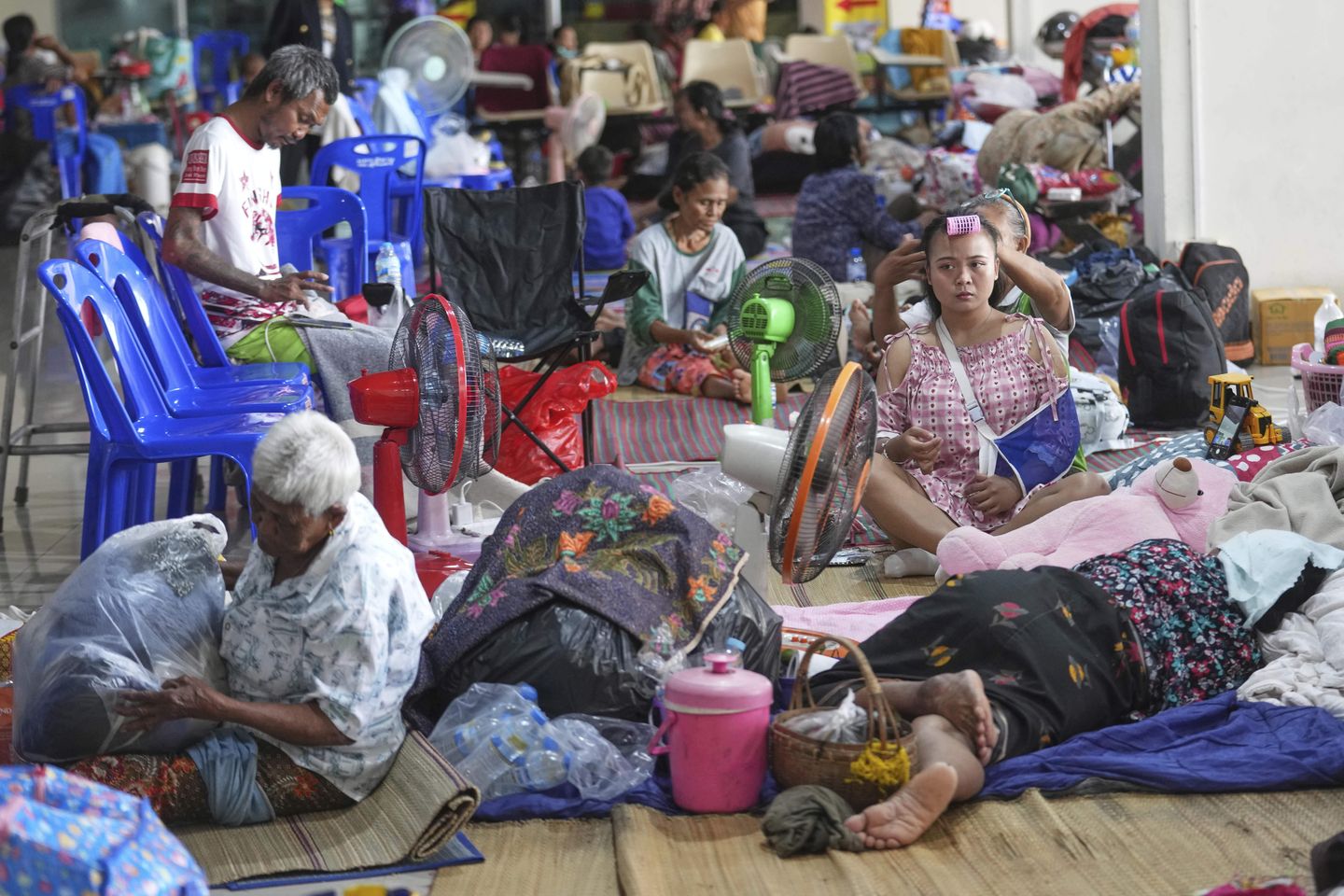
The recent escalation of violence began following the death of a Cambodian soldier, allegedly shot by a Thai soldier amidst accusations of secret trench digging in the disputed zone. The cross-border assaults have resulted in numerous deaths on both sides, including both military personnel and civilians, and have forced a large number of people to flee their homes.

President Trump has weighed in on the conflict, drawing parallels to other international disputes and emphasizing the need for an immediate ceasefire and peace. He has linked the ceasefire to ongoing tariff negotiations, highlighting the financial reliance of both countries on maintaining inexpensive exports to the U.S.

Both leaders have signaled a potential move towards a ceasefire. Thailand’s Acting Prime Minister Phumtham mentioned a proposal for bilateral talks between foreign ministers to establish the conditions for a ceasefire, including the withdrawal of troops and long-range weapons. Cambodian Prime Minister Hun Manet has also expressed agreement with the proposal for an immediate and unconditional ceasefire. However, despite these positive signals, reports indicate that Cambodia’s rockets struck inside eastern Thailand shortly after President Trump’s phone calls with both leaders, according to the Thai military.

Read Full Story

July 27, 2025 0 comments
0 FacebookTwitterPinterestEmail
Newer Posts
Older Posts

Recent Posts

  • Supreme Court Rebukes Appeals Court for Overstepping in Habeas Case
  • Supreme Court Sides with Defendant in Child Abuse Case
  • Court Denies Expedited Hearing in Cannabis-Related Import Case
  • Court Remands Ceramic Tile Case, Again, Citing Insufficient Evidence
  • Apex vs. Rubin: Supreme Court Weighs Eminent Domain and Property Rights

Categories

  • Administrative Law
  • Constitutional Law
  • Criminal Law
  • Family Law
  • Immigration Law
  • International Law
  • Property Law
  • Random
  • Uncategorized

About Us

Lexogist is a legal news platform dedicated to publishing timely and accurate analyses of U.S. court opinions across diverse legal domains. Our expert contributors provide clear, accessible insights into significant judicial decisions and their real-world implications.

Links

  • Home
  • Sample Page
  • Administrative Law
  • Bankruptcy Law

Links

  • Home
  • Sample Page
  • Sample Page

Disclaimer

Disclaimer: Lexogist provides legal news and analysis for informational purposes only and does not offer legal advice. No attorney–client relationship is formed by using this site. For legal advice, please consult a qualified attorney.

  • Facebook
  • Twitter

@2021 - All Right Reserved. Designed and Developed by PenciDesign


Back To Top
Lexology
  • Home
  • Sample Page
  • Administrative Law
  • Bankruptcy Law
  • Business & Commercial Law
  • Civil Rights & Liberties
  • Constitutional Law
  • Criminal Law
  • Employment & Labor Law
  • Family Law
  • Health Law
  • Immigration Law
  • International Law
  • Military Law
  • Property Law
  • Tax Law
  • Tort Law